FiberStrike FBG Temperature, Strain and Pressure Sensors
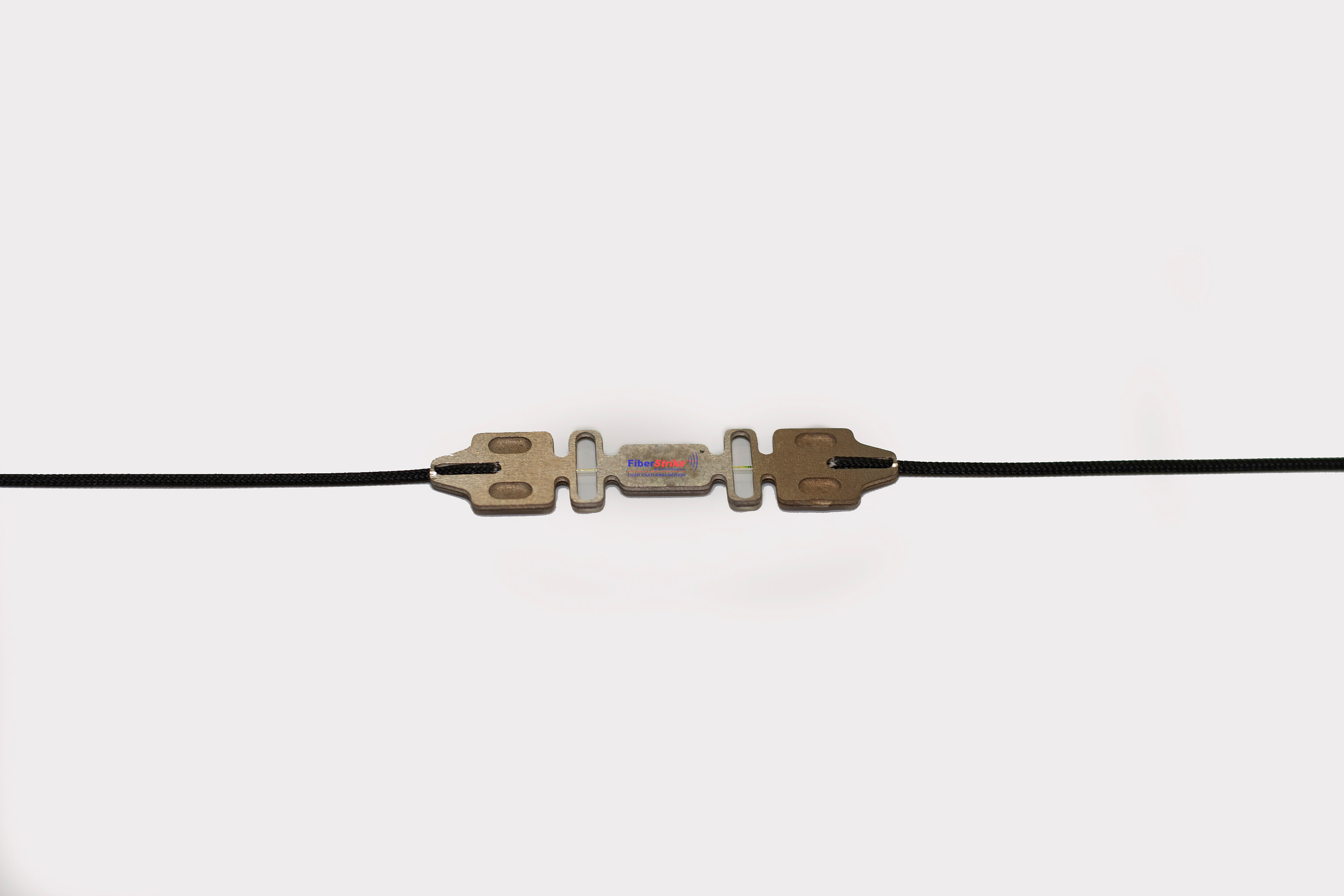
CEL's core range of Fiber Bragg Grating point sensors for temperature, strain and pressure, supplied in many configurations for bonding to existing structures or embedding in new construction.
Technical overview
These are passive FBG elements that require no electrical power at the sensing point and emit no signal, so they are immune to EMI/RFI, lightning and corrosion. CEL states the sensors resolve movement down to the picometer range. Multiple sensor types can be combined on a single fiber strand, and CEL cites as many as 50 sensors multiplexed on one optical fiber with hundreds of discrete sensors addressable per system. CEL applies foil, free filament, semiconductor and fiber optic gauge types and performs the surface preparation, gauge installation and egress routing.
Features
- Available in many different configurations
- Sensors may be externally bonded to new or existing structures (e.g., steel members)
- Sensors may be embedded in new construction (e.g., concrete and steel re-bar)
- Measure movements down to the picometer range
- The same sensors used during construction may be integrated into a permanent structural health monitoring system
- Continuous monitoring facilitates predictive analysis of structural integrity
- Passive, require no electrical power, and emit no signal
Specifications
| Parameter | Value |
|---|---|
| Measurement resolution (movement) | down to the picometer range pm |
| Minimum measurable movement | 10-12 m (as published; CEL's page renders the exponent without superscript) m |
| Sensors multiplexed on a single optical fiber | as many as 50 |
| Sensing distance, fiber optic end to monitoring equipment, no booster amplifiers | over 25 km |
| System response time to an event | less than three seconds, average 1.5 seconds s |
Applications
- Structural health monitoring of bridges, buildings and dams
- Concrete and steel re-bar embedment
- Wind load and seismic monitoring
- Composite materials monitoring
- Aerostructures
- Automotive EV battery monitoring and testing
- Medical equipment monitoring
You may also like
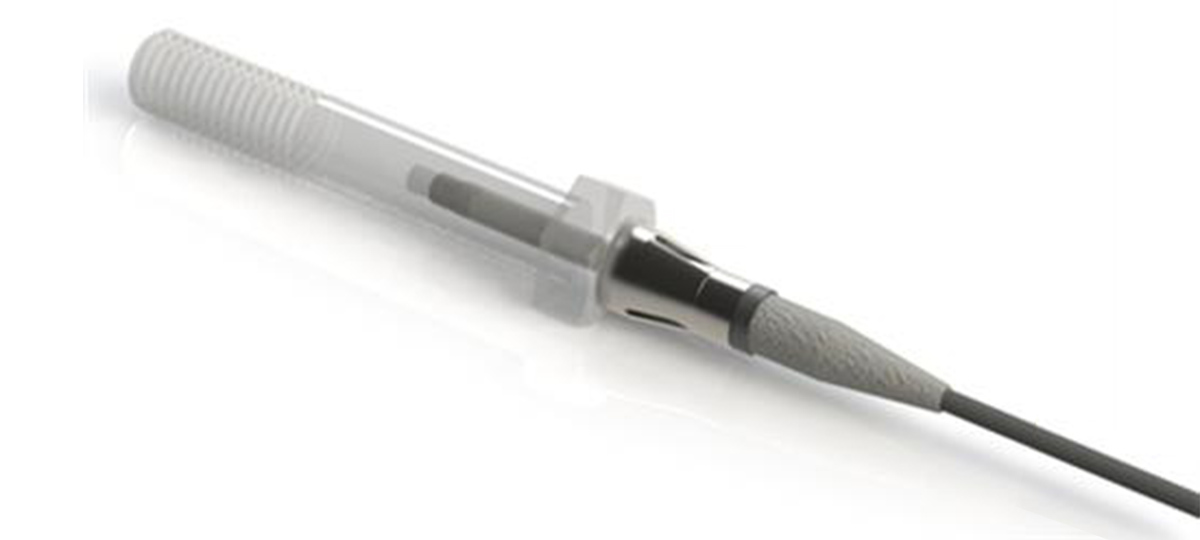
A patented FBG insert that turns an ordinary structural fastener into a smart fastener, continuously measuring bolt elongation and tension. The insert is fitted into a bored and threaded fastener.
Patent-pending FBG displacement sensors that measure small relative movements between a fixed and a moving reference frame, in one or two axes. Marketed on the FiberStrike site as the FBG Crack Sensor.
FBG-based linear and rotary displacement sensors with configurable mounting and end fittings, available in aluminium or stainless steel bodies for harsh and submersible service.
Need help specifying this?
Our application engineers will confirm specifications with the manufacturer and quote for your configuration.
Request Info