FiberStrike TVS-F25 120x Fiber Inspection Scope
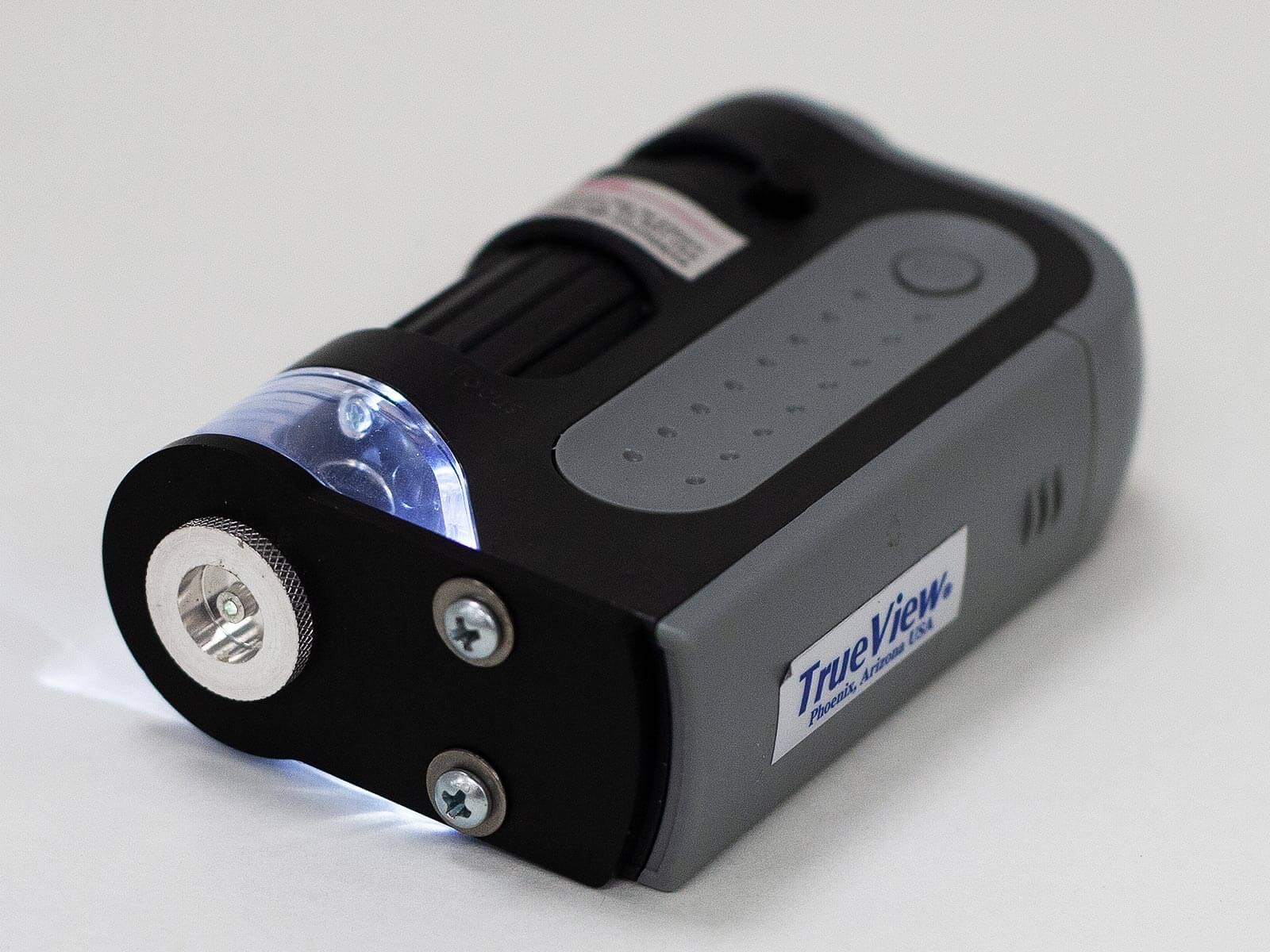
A handheld LED-illuminated fiber connector end-face inspection scope with adjustable 60x to 120x magnification, aimed at telecommunications installers. Supplied with a universal 2.5 mm adapter.
Technical overview
The scope gives a flat view of both the cladding and core of a connector end-face to locate defects or contamination. The standard universal 2.5 mm adapter accepts SC, ST or FC connectors in either APC or UPC configuration, and swappable knurl adapters cover 1.25 mm UPC/APC universal (LC and MU) and E2000 connectors. It works with single-mode OS1/OS2 and multi-mode OM1 through OM4 fiber. The unit runs on a single AA battery, weighs about 50 grams excluding batteries and is covered by US Patent No. 5,982,533.
Features
- Crystal clear view of both the cladding and core of a fiber connector end-face
- Interchangeable knurl adapters
- Includes universal 2.5mm adapter for UPC/APC
- Easily adjust magnification 60x to 120x
- Single AA battery operation
- Lightweight design, easy to grip
- Includes lanyard
Specifications
| Parameter | Value |
|---|---|
| Connector Styles | SC, ST, and FC (2.5mm universal) |
| Connector Configuration | Accepts both UPC and APC |
| Fiber Type | Single-Mode OS1/OS2 and Multi-Mode OM1/OM2/OM3/OM4 |
| Magnification | Adjustable 60x to 120x x |
| View Angle | Flat view, clear distinction between core and cladding layers |
| Exit Pupil Diameter | 10mm - 14mm mm |
| Optical Zoom | 2x x |
| Power | 1 x AA battery (not included) |
| Illumination | LED |
| Size | 59mm x 30mm x 92mm mm |
| Weight | Approx. 50 grams (excluding batteries) g |
| Patent | US Patent No. 5,982,533 |
| Order codes | TVS-F25 (2.5mm SC/ST/FC), TVS-F125 (1.25mm LC/MU), TVS-TK25 (2.5mm knurl adapter), TVS-TK125 (1.25mm knurl adapter), TVS-PK1 (package with both adapters) |
Applications
- Telecommunication fiber installation
- Fiber connector end-face inspection
- Locating defects or contamination on connector end-faces
- Field fiber network maintenance
You may also like
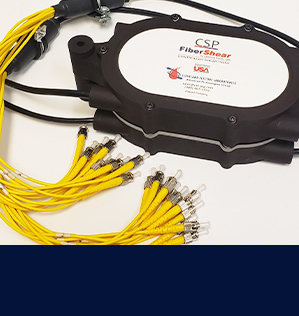
A controlled shear point splice enclosure for roadside cabinets that lets a fiber drop cable break away cleanly at the cabinet base during an impact, protecting the buried cable and the cabinet equipment ports.

Configurable fiber optic switches from 2 to 128 channels in singlemode, multimode and PM fiber, in 1xN, 2xN, ganged 2xN and MxN matrix arrangements. Supplied bench top, rack mount, or as a module inside an integrated Bola test platform.
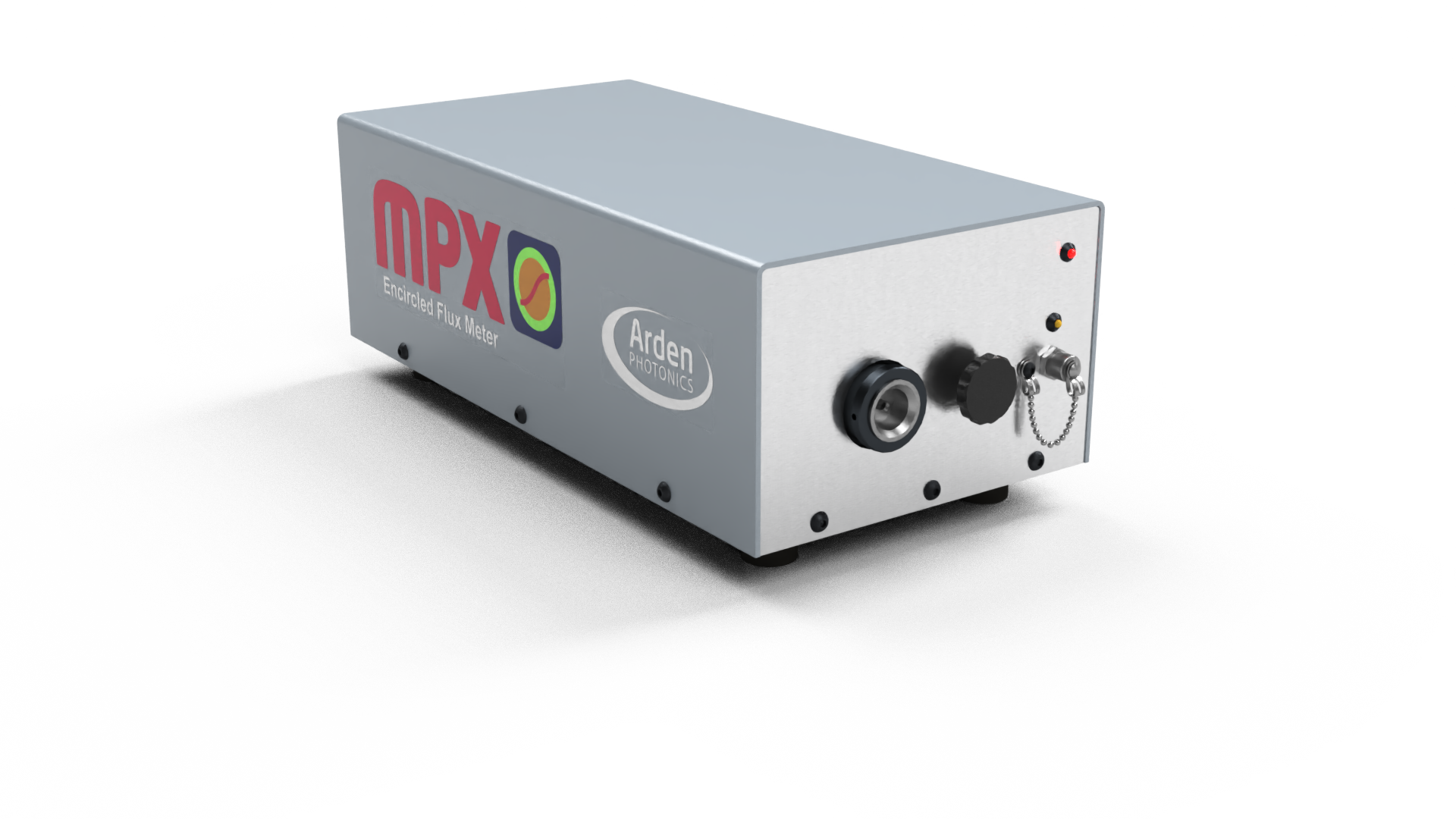
A benchtop instrument that measures the modal launch condition (Encircled Flux) of a multimode light source and patchcord at 850 nm. It is used to verify that a test source meets the launch requirements of the multimode loss-measurement standards.
Need help specifying this?
Our application engineers will confirm specifications with the manufacturer and quote for your configuration.
Request Info